
The most common roofing scams are door-to-door storm chasers, demands for large payments upfront, “mystery damage” that appears during an inspection, unlicensed or uninsured contractors, and offers to waive or cover your insurance deductible. Most roofers are honest, and a few simple checks will help you spot the ones who are not.
Quick Answer: How to Avoid Roofing Scams
- Take your time. Do not sign anything at the door.
- Choose a contractor with a local office and a business phone number.
- Ask for photos of any damage and a written, itemized estimate.
- Ask for proof of insurance and any license your area requires.
- Avoid paying in full before the work is done.
- Be cautious of offers to waive or cover your deductible, or a “free roof.”
Common Roofing Scams and How to Spot Them
1. Door-to-Door Storm Chasers
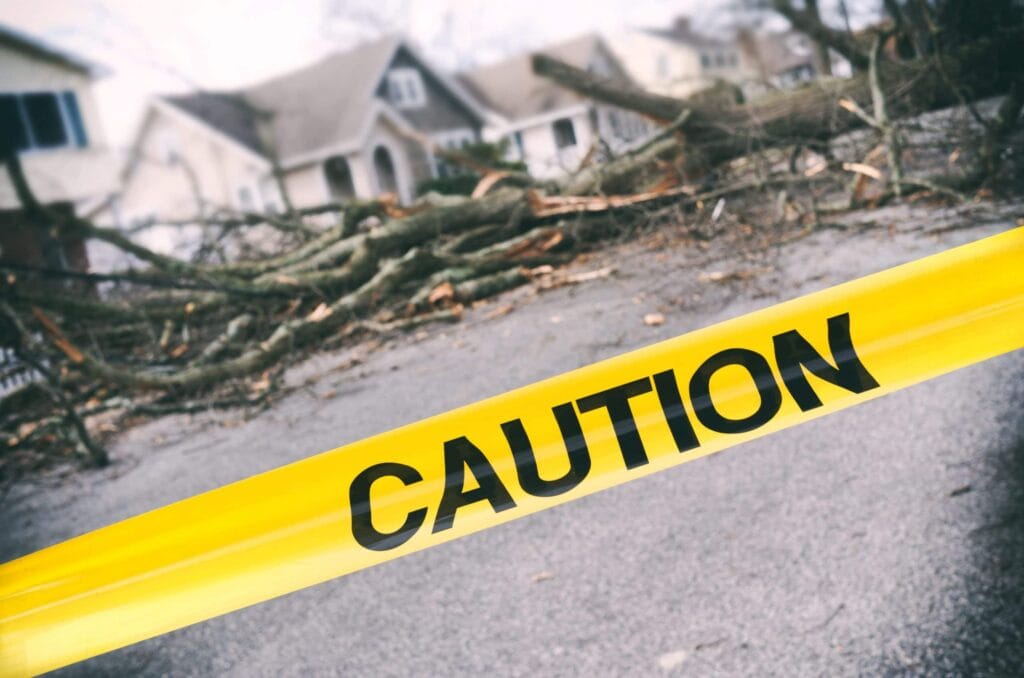
After a big storm, crews from out of the area often go door to door offering quick inspections and fast repairs. Some do good work, but others leave once the storm season ends, which makes warranty service hard to get.
How to protect yourself: ask for a local address and business phone number, check reviews, and get more than one estimate before deciding.
2. Large Upfront Payments
A deposit for materials can be normal. A demand for full payment before work starts is not.
How to protect yourself: get the payment schedule in writing, tie payments to completed stages of the work, and avoid paying in full until the job is finished and you have checked it.
3. “Mystery Damage”
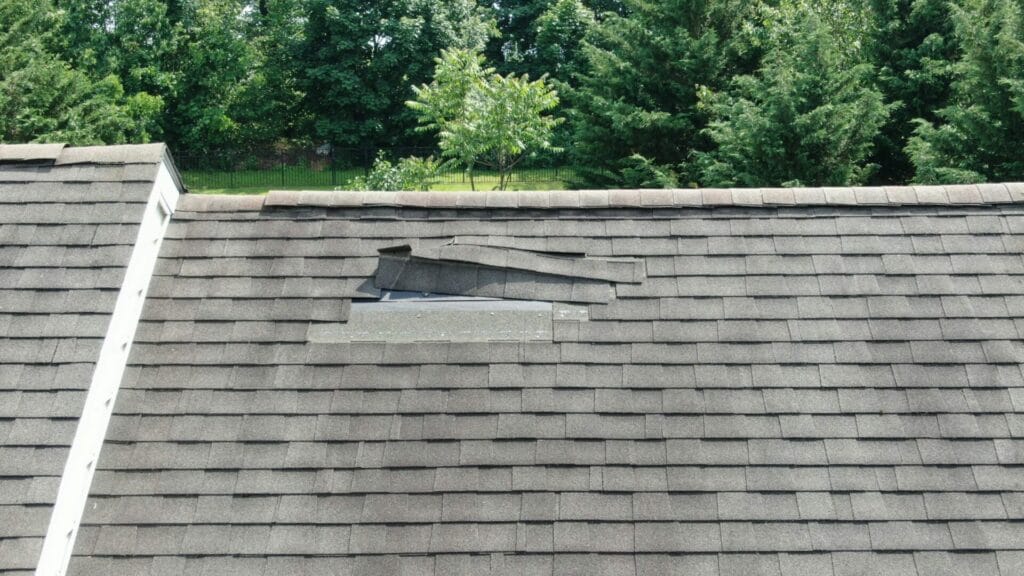
Some dishonest contractors exaggerate damage, or create it, during a roof inspection.
How to protect yourself: ask for photos of every issue, ask where on the roof each one is, and get a second opinion if the findings seem out of proportion.
4. Unlicensed or Uninsured Contractors
A contractor without liability insurance or workers’ compensation coverage can leave you exposed if someone is injured or property is damaged.
How to protect yourself: ask for certificates of insurance, and check whether your state or city requires a contractor license.
5. Insurance Deductible and “Free Roof” Offers
Be cautious of any contractor who offers to waive, cover, or absorb your insurance deductible, promises a “free roof,” or asks you to sign over your claim to them. Apple Roofing does not waive or cover deductibles and does not act on your behalf with your carrier.
Coverage depends on your policy, and your insurance carrier makes coverage decisions. Apple Roofing provides insurance claim support: we document damage with photos and a written report you can share with your carrier, and we explain what the documentation shows. See our roof insurance claim guide.
6. Pressure to Sign Today
Limited-time pricing, “we have leftover materials from a job down the street,” or pressure to sign before a spouse or partner can review the contract are all reasons to slow down.
How to Check Out a Roofing Contractor
- Look up the business address and confirm it is a real local office
- Read online reviews, including how the company responds to complaints
- Ask for proof of insurance and any required license
- Ask which manufacturer certifications they hold
- Get a written, itemized estimate and a written workmanship warranty
- Ask for references from recent local jobs
Our guide to finding a trustworthy local roofer covers more questions to ask. If you live in one of our markets, see our city guides for Omaha, Lincoln, Des Moines, Kansas City, and Davenport.
What to Do If You Think You Have Been Scammed
- Stop payment if you can, and keep copies of every contract, receipt, and message
- Report it to your state attorney general’s consumer protection office
- File a complaint with the Better Business Bureau
- If an insurance claim is involved, contact your carrier
- Have a reputable local roofer inspect the work
Frequently Asked Questions
What are the most common roofing scams?
Door-to-door storm chasers, demands for full payment upfront, exaggerated or created “mystery damage,” unlicensed or uninsured contractors, and offers to waive or cover your insurance deductible.
How do I know if a roofer is legitimate?
Look for a local office, a business phone number, proof of insurance, any license your area requires, manufacturer certifications, a written itemized estimate, and a written workmanship warranty.
Is it normal for a roofer to ask for a deposit?
A reasonable deposit for materials can be normal. Full payment before the work starts is a red flag. Get the payment schedule in writing.
Should I trust a roofer who knocks on my door after a storm?
Take your time. Ask for a local address, check reviews, and get more than one written estimate before you sign anything.
Can a roofer pay my insurance deductible?
Be cautious of any contractor who offers to waive or cover your deductible. Apple Roofing does not. Coverage depends on your policy, and your insurance carrier makes coverage decisions.
Get an Honest Roof Inspection
If someone told you your roof needs work and you want a second look, Apple Roofing can inspect it and show you what we find. Our free 8-point roof inspection checks the shingles, valleys, ridge cap, chimney, ventilation, drip edge, flashing, and roof penetrations. We photograph what we find, explain it, and give you a written report, with no pressure to commit. That is what we mean by A Sweeter Roofing Experience.
Apple Roofing is a GAF-certified installer, residential work is backed by our 7-year workmanship warranty, and we take emergency calls 24 hours a day. Schedule a free roof inspection or call (866) 277-5388.